
Mobile Billboard Planning
Do Mobile Billboards Require City Permits? Rules Explained
Mobile billboard permit requirements depend on the city, route, parking plan, screen operation, and use of sound. Learn what to check before launching an LED truck campaign.
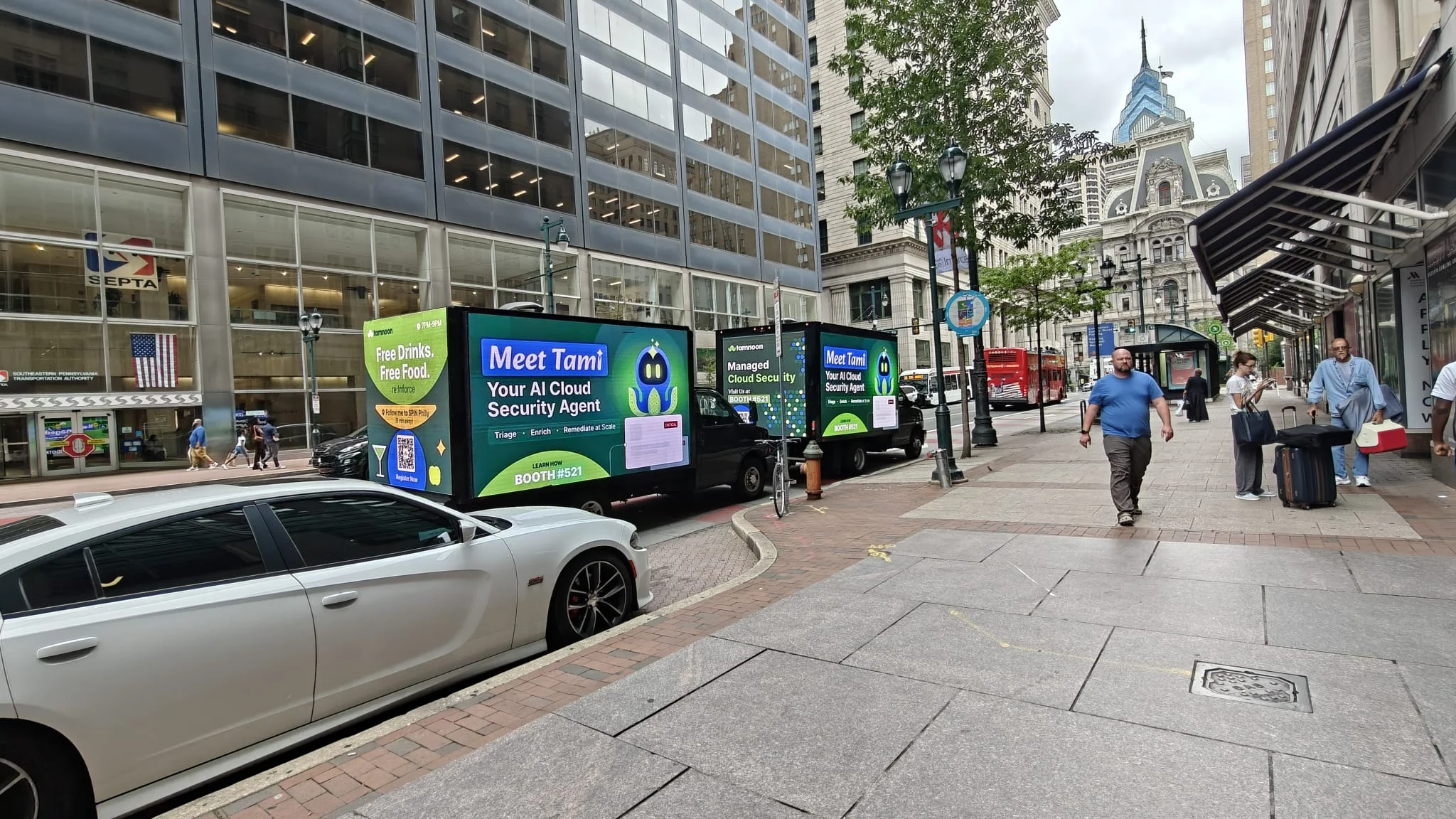
Do mobile billboards require city permits? Sometimes—but there is no nationwide yes-or-no answer. A truck circulating on public streets may face different requirements from the same vehicle parked outside a restaurant, operating near a convention center, or playing audio at a festival. Before booking a mobile LED billboard truck, advertisers should understand which parts of the campaign need local review. The goal is not simply to find a permit application. It is to confirm that the vehicle, route, screen content, stopping locations, and operating hours fit the rules where the campaign will run. This guide explains the main questions to ask and how to build compliance checks into a practical campaign plan. It is general planning information, not legal advice or a substitute for current local guidance.
Key Takeaways
- There is no single nationwide permit rule for mobile billboards; requirements vary by jurisdiction and operating plan.
- Driving, parking, operating digital screens, and using amplified sound can trigger different restrictions.
- Private-property permission does not automatically satisfy local zoning, sign, or event requirements.
- Confirm responsibilities, approved operating conditions, and backup routes before campaign day.
1. Why Mobile Billboard Permit Rules Vary
Mobile billboards sit at the intersection of several regulatory categories. A city may address advertising vehicles through its sign code, traffic rules, parking ordinances, or business regulations. Digital displays may receive separate treatment from printed vehicle graphics. County or state requirements may also matter, depending on the roads and locations involved.
The operating plan is often as important as the vehicle itself. Continuous travel, repeated circulation through one district, and extended parking at a high-visibility location are not necessarily treated alike. Do not assume that a registered, roadworthy truck is automatically authorized for every advertising activity.
Definitions matter, too. Local rules may distinguish ordinary business identification on a delivery vehicle from a vehicle used primarily to display advertising. A rule allowing company logos on commercial vehicles does not necessarily resolve whether a mobile digital billboard can operate in the same way.
For campaigns crossing city boundaries, check each jurisdiction. Permission or a favorable interpretation in one city does not carry over automatically to the next. A nationwide campaign therefore needs local review rather than one universal compliance assumption.
2. Check Driving, Parking, and Property Access Separately
Start by separating the campaign into moving and stationary activity. For driving, review applicable commercial-vehicle routes, vehicle dimensions, weight limits, restricted streets, and temporary closures. A desirable audience location is not useful if the truck cannot legally or safely reach it.
For stationary exposure, check parking and stopping rules independently. A space that accommodates the truck may still prohibit commercial parking, advertising-oriented parking, extended stays, or idling. Loading zones are not general-purpose advertising spaces, and hazard lights do not create permission to stop.
Private property adds another layer. Written authorization from a property owner or authorized manager establishes access permission, but it may not settle zoning or sign-code questions. An LED truck parked in a shopping center lot could still be subject to local restrictions on temporary signs or vehicle-based advertising.
Avoid building the campaign around one unconfirmed curbside position. Plan alternative streets or approved locations that reach a similar audience. This is especially important near stadiums, entertainment districts, hospitals, and other places where access conditions can change.
- Public streets: Check vehicle access, circulation, stopping, and parking restrictions.
- Private lots: Obtain site permission and verify any applicable zoning or sign requirements.
- Planned stops: Confirm duration limits, operating hours, and whether display operation is allowed.
- Backup locations: Review alternatives before the campaign, not after access is denied.
3. Review Digital Screens, Sound, and Event Restrictions
LED truck advertising introduces display considerations beyond those of a printed vehicle wrap. Depending on the jurisdiction, rules may address brightness, flashing, animation, transitions, or display operation while moving. Confirm what applies to the planned use rather than assuming that a truck screen follows the same rules as a fixed digital billboard.
Ask how the screen will be managed after dark and when conditions change. Brightness should support readable messaging without unnecessary glare. Local requirements may dictate specific operating conditions; even where they do not, restrained transitions and uncluttered creative help support responsible operation.
Treat audio as a separate approval question. A campaign allowed to display visual advertising may not be allowed to broadcast amplified sound. Noise rules can depend on location, time, duration, volume, or proximity to sensitive uses. An event organizer's approval does not necessarily replace a municipal sound permit or other required authorization.
Events can also introduce temporary street closures, security perimeters, staging restrictions, and organizer-controlled access. Public-road circulation near an event is different from entry into its official footprint. Check current event-day conditions and avoid assuming that proximity to a venue guarantees access to its audience.
- Verify any restrictions on screen brightness, motion, flashing, and operating hours.
- Confirm audio permissions separately from visual advertising permissions.
- Review temporary traffic controls and event access requirements.
- Prepare alternate creative if the planned animation or audio cannot be used.
4. How to Verify Requirements Before You Book
Create a short operating brief before contacting local authorities. Include the truck's dimensions, proposed streets, dates, hours, planned stops, screen behavior, and whether audio will be used. Specific facts make it easier to obtain a useful answer than a broad question about whether mobile advertising is legal.
The right contact varies by location. Planning or zoning staff may interpret sign regulations; transportation or parking staff may address street use; special-event offices may handle event-related approvals. Ask which department has authority over each part of the plan and whether another agency must also review it.
When possible, obtain written guidance identifying the relevant rule, required application, and operating conditions. If someone says no permit is required, clarify whether that answer covers moving operation, stationary display, or both. No permit requirement does not necessarily mean there are no restrictions.
In the vendor agreement, identify who will verify requirements, submit applications, obtain property permissions, and communicate changes. Also establish the deadline for approvals and what happens if the preferred route or stop is unavailable. Do not assume that all permits, fees, or property arrangements are included in the quoted rate.
- Describe the complete operating plan.
- Identify the responsible departments and applicable rules.
- Confirm approvals, restrictions, fees, and processing timelines.
- Assign responsibilities and document approved alternatives.
5. Build Compliance Into the Route, Budget, and Schedule
Compliance works best as an early planning step, not a final checkbox. Start with the audience you want to reach, then identify locations where the truck can operate appropriately. That approach keeps the campaign focused on useful exposure rather than a single position that may prove unavailable.
Budget for the actual operating plan. In addition to truck service, ask whether applicable permit fees, private-site charges, or other location-specific expenses are included or separate. Allow time for local review, especially when the campaign involves stationary displays, sound, multiple jurisdictions, or major events.
LED Truck Advertising LLC is based in Orlando, Florida, and runs mobile digital LED billboard trucks nationwide, with rates starting as low as $1,200 per day. Final pricing depends on campaign requirements. To begin planning, request a quote with your target market, dates, preferred locations, and any sound or parking needs.
Before launch, give the operating team the confirmed route, permitted hours, site contacts, applicable approval documents, and backup plan. Review changes if the schedule or locations shift. Clear instructions help the driver make sound decisions without improvising around an unverified advertising stop.