Campaign Strategy
Mobile LED vs. Static Billboards: How to Compare Campaign ROI
Compare routes, reach, creative flexibility, and measurable outcomes—not just the price of the placement.
A billboard campaign can be visible without being profitable. When deciding between a mobile LED billboard truck and a static billboard, start with the job the advertising needs to do: introduce a brand, bring people to a store, support an event, or generate qualified inquiries. The better choice depends on the audience, the schedule, and how you will measure success—not a blanket promise that one format always wins.
Key Takeaways
- Choose the business outcome before comparing media quotes.
- Separate estimated exposure from verified leads and sales.
- Compare the full campaign cost, including creative and measurement.
Two Formats, Different Jobs
A static billboard holds one location. That can make it useful when you want a consistent presence along a particular corridor over an extended period. Its value depends on whether that location repeatedly reaches the people you want.
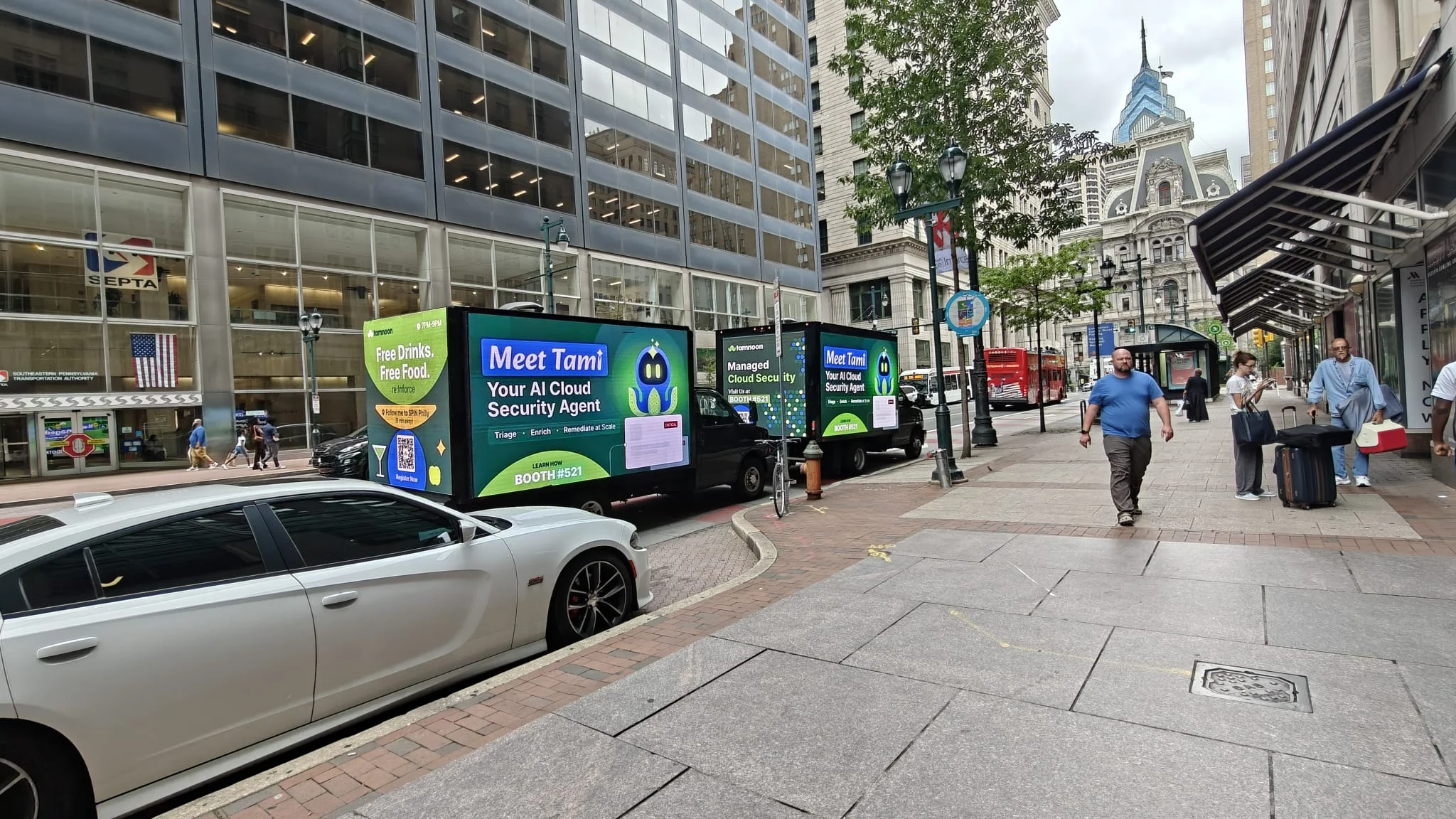
A mobile LED billboard truck adds route and scheduling choices, alongside digital artwork. A campaign can be planned around a convention, retail district, or event window instead of relying on one fixed placement. That flexibility is valuable only when the route and timing match a meaningful audience; moving through a busy area is not, by itself, evidence of incremental sales.
Build a Comparable Campaign Brief
Give each media option the same objective, geography, dates, and creative requirements. Ask what the quoted package actually includes. A lower headline price may exclude work that another quote includes, while a longer placement may reach people outside the window that matters to your business.
- Define the target audience and the action you want them to take.
- Compare operating hours and campaign duration, not simply calendar days.
- Include design, landing-page work, tracking, and any confirmed add-ons in the total cost.
- Ask how exposure estimates are calculated and what delivery evidence you will receive.
Measure Outcomes, Not Just Exposure
Use a campaign-specific landing page, memorable URL, offer code, or dedicated phone number where appropriate. These can identify responses, although none captures every person who notices an outdoor ad and converts later through another channel. A QR code is most useful where people can safely pause and scan; do not depend on drivers scanning it.
Record a baseline before launch. Compare lead quality, store visits where you have a lawful measurement method, or completed purchases during comparable periods. Other promotions, weather, holidays, and event attendance can change results, so avoid attributing every increase to the billboard. GPS records and campaign photos help verify where the truck operated; they do not prove that a particular viewer bought something.
Use a Transparent ROI Calculation
For a profit-based comparison, use: ROI = (incremental gross profit attributed to the campaign − total campaign cost) ÷ total campaign cost. Revenue alone can make a low-margin campaign look stronger than it is. If reliable sales attribution is not available, report cost per qualified lead or another agreed outcome instead of calling an exposure estimate ROI.
Hypothetical example: a $5,000 campaign associated with $8,000 in incremental gross profit has a 60% ROI under this formula. This is an illustration, not our pricing or a promised result. If the $8,000 is revenue rather than gross profit, you cannot use it in the same calculation.
Start With a Focused Test
Choose a defined market and time window, keep the offer consistent, and agree on a reporting plan before launch. Use the findings to decide whether to extend the campaign, adjust creative, or change the route. Static and mobile media can also work together: a fixed location can reinforce familiarity while a truck supports a specific activation. The goal is a better media plan, not a winner chosen in advance.