Political Campaigns
Political Campaign Mobile Billboards: Rallies, Early Voting & GOTV Strategy
How candidates, advocacy groups, and PACs deploy mobile LED billboard trucks for rapid messaging, rally presence, and get-out-the-vote (GOTV) pushes.
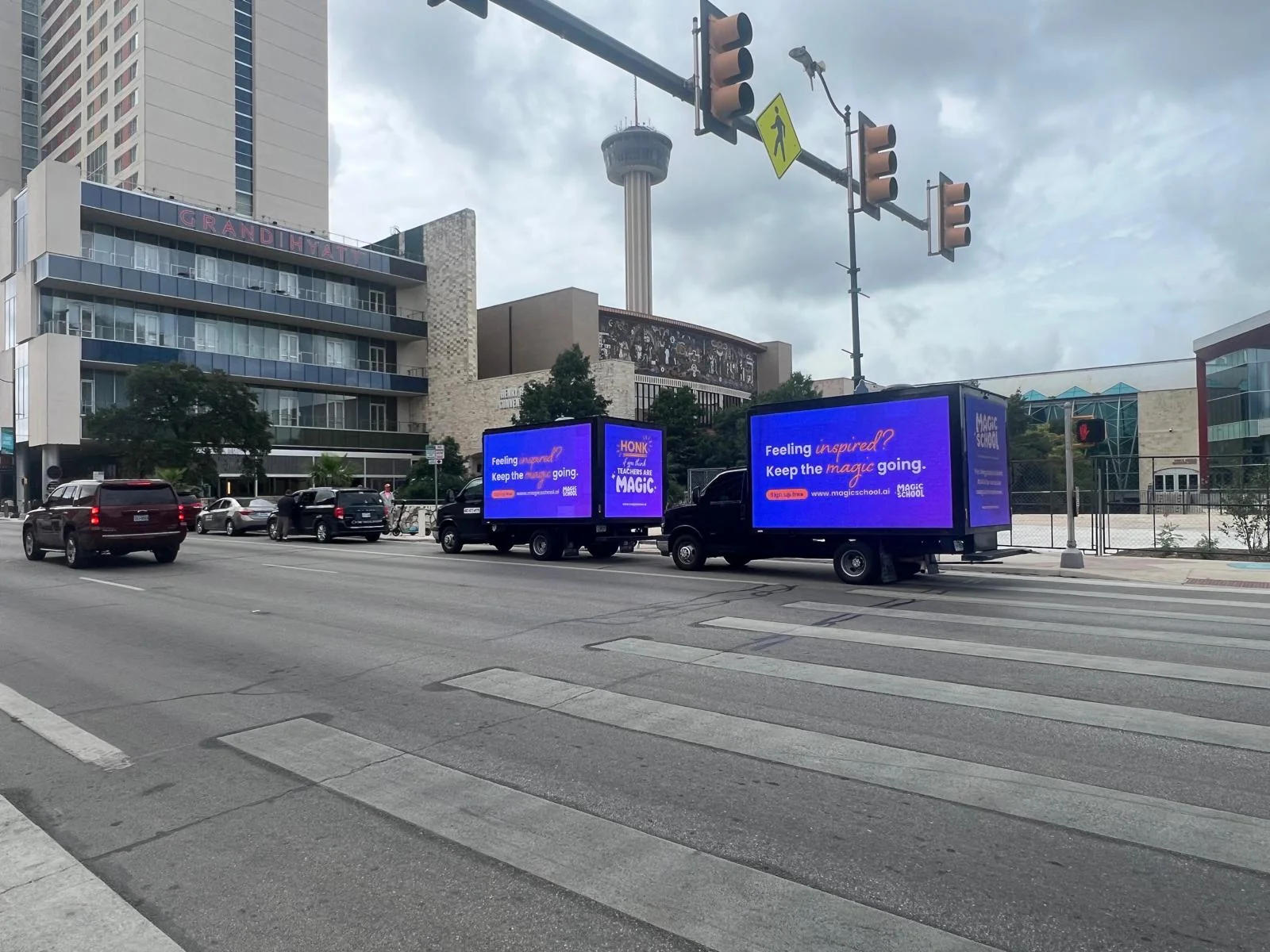
Political campaigns live and die on timing. A static billboard booked in August cannot respond to an October debate, and a yard sign cannot follow voters to an early voting location. Mobile LED billboard trucks give campaigns something no other outdoor format can: the ability to put a current message in front of a chosen audience, in a chosen district, on a chosen day—and change it tomorrow. That flexibility has made mobile digital billboards a growing part of rally, early voting, and get-out-the-vote (GOTV) strategy for candidates, advocacy groups, and PACs.
Key Takeaways
- Mobile billboards let campaigns change messages in hours, not weeks—critical in the final stretch.
- Route trucks to rally sites, early voting locations, and the specific districts that decide the race.
- Build compliance into the plan: disclaimer rules vary by state, so confirm requirements before artwork goes live.
Agile Voter Targeting by District and Day
A campaign's map is never the whole metro—it is the precincts and districts where the race will actually be decided. Mobile trucks let you concentrate spending there instead of paying for reach you do not need. Routes can be planned around specific neighborhoods, commuter corridors, or community events in the exact areas your field operation is working.
Digital creative makes the message as agile as the route. A truck can run name-recognition creative in September, contrast messaging after a debate in October, and polling-place reminders in the final week—all on the same screens, with no printing or installation delays. When news breaks, the response can be on the street within hours of artwork approval.
Rally and Debate Night Visibility
Rallies concentrate your most motivated supporters in one place—and draw local media cameras with them. A truck positioned along arrival routes or near the venue (where permitted) greets attendees, reinforces the campaign's message for passing traffic, and often ends up in the background of news coverage and social posts. The same approach works for debate watch parties, election night events, and campaign office openings.
Plan these deployments with the venue and local rules in mind. Public-road operation is generally straightforward, but staging on venue property, parking, and any use of audio can require advance permission. Confirm access early so the truck supports the event instead of scrambling for a position on the day.
Early Voting Corridors and the GOTV Push
Early voting spreads turnout across days or weeks, which makes it a natural fit for mobile media. A truck can work the corridors around early voting locations during operating hours, reminding supporters where and when to vote while the window is open. Because routes are flexible, the schedule can follow the highest-traffic voting sites day by day.
In the final 72 hours, the message narrows to one job: turnout. Simple, directional creative—"Vote Today," polling hours, and a reminder of what is at stake—running through priority districts keeps the election in front of voters who have already decided who but not whether to vote. As with any persuasion or turnout effort, coordinate messaging with your campaign's legal and compliance team.
Compliance Considerations for Political Creative
Political advertising carries disclaimer requirements that commercial advertising does not. Federal rules require "paid for by" disclaimers on many communications, and state and local laws add their own rules on disclaimer wording, size, and placement—some of which apply specifically to outdoor and mobile signage. Requirements differ by jurisdiction and by who is paying: candidate committees, PACs, and independent expenditure groups face different obligations.
Build compliance into the creative process from the start. Have your campaign's counsel or compliance officer approve final artwork—including the disclaimer—before it goes live, and keep approval records with your campaign documentation. A billboard company can display what you provide, but the legal responsibility for political disclaimers belongs to the campaign or committee. This article is general information, not legal advice.