
Audience Planning
How to Target Event Audiences With Mobile Digital Billboards
Build a route and creative plan around real audience movement before, during, and after an event.
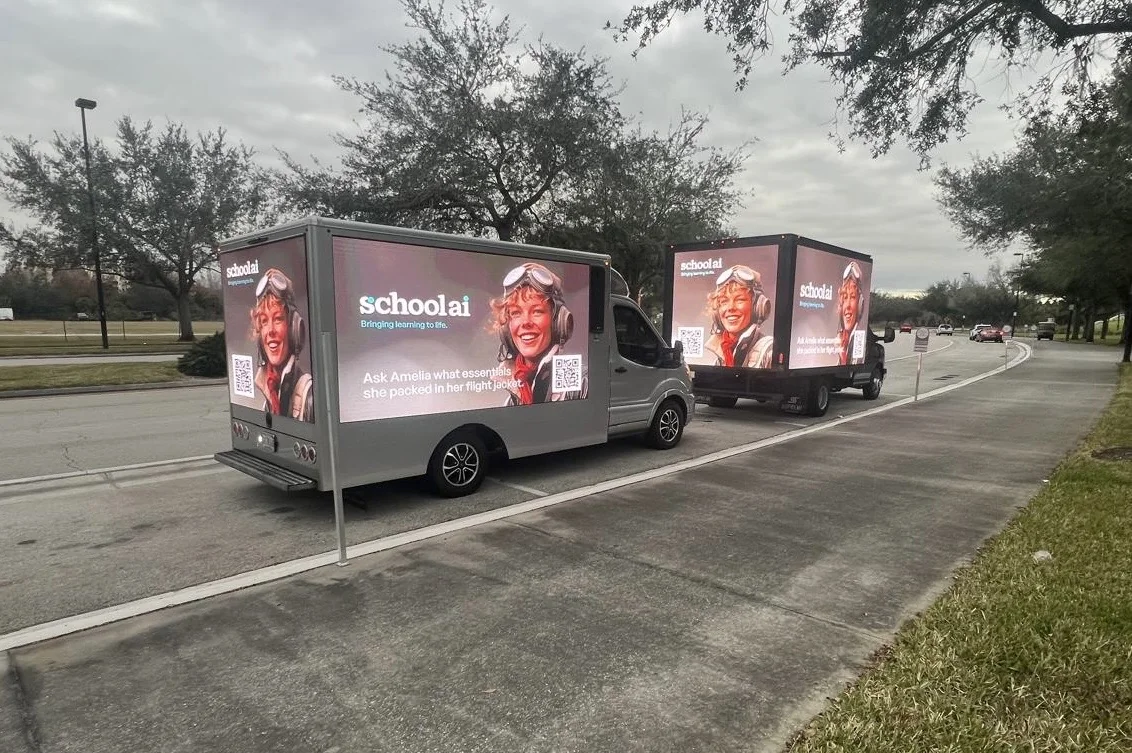
A concert, sporting event, community gathering, or trade show can concentrate an audience in a defined place and time. That makes event-based planning useful for mobile digital billboard campaigns—but a large crowd is not automatically your ideal customer. Start with who you want to reach and why the message matters at that particular moment.
Key Takeaways
- Audience fit matters more than the largest possible crowd.
- Use distinct arrival and departure messages when the goal changes.
- Design the response path for a phone and test it before launch.
Choose Audience Fit Before Crowd Size
Write a short audience brief: who is likely to attend, what they are there to do, and what offer is relevant to them. A nearby restaurant might focus on a post-event visit; a consumer brand might introduce a product; a local organization might promote a future community activity. These goals require different creative and response paths.
Use official schedules and credible event information to assess the opportunity. Treat attendance forecasts as estimates, not guaranteed viewers. Being near a venue does not establish that every attendee saw the ad, fits your customer profile, or has agreed to receive follow-up marketing.
Plan for Arrival, Pauses, and Departure
Look at the public approaches to the venue, transit connections, and nearby gathering areas. Account for road closures, pedestrian management, and congestion. The best route is one that can operate safely while reaching relevant movement patterns—not simply a line drawn around the venue on a map.
Think in windows. Before the event, people may be choosing where to meet. During it, foot traffic outside may decline or change. Afterward, they may want food, transport, or the next activity. Confirm route feasibility and any property-access requirements with the campaign team before building creative around a specific location.
- Arrival: make the brand and the offer immediately recognizable.
- Waiting or gathering: provide a useful destination or next step.
- Departure: match the message to what attendees can realistically do next.
Design for the Viewing Moment
Outdoor artwork needs to work quickly. Keep the brand, offer, and action distinct, with enough contrast to read at a glance. A message aimed at moving traffic should not rely on fine print or scanning a QR code. Where pedestrians can safely pause, a short URL or scannable code can connect the screen to a mobile page.
Do not imply that your brand is an official sponsor unless that relationship is real and approved. Event names, logos, athlete images, and other protected material may require permission. Use creative you have rights to and make the relationship clear.
Build a Response Path That Works on a Phone
Send people to a page that matches the ad, loads quickly, and has one clear action. If you advertise an event offer, show that offer immediately, including any real limitations. Check the page on a phone, test the form, and verify confirmation messages before the truck campaign starts.
Use campaign-specific links or codes when appropriate, and decide how your team will handle responses. A campaign that generates inquiries is less useful if no one follows up. Collect only information you need and explain how it will be used; outdoor exposure is not permission to identify or contact individual viewers.
Review Delivery and Outcomes Separately
GPS route records and campaign photos can support an execution review. Inquiries, redemptions, bookings, or sales help assess the response. Keep the two separate so estimated reach does not get presented as verified conversions.
Compare results against the objective and a relevant baseline, while noting other activity that could have affected demand. Review route timing and creative together: a clear offer delivered at the wrong moment may underperform, just as a well-timed placement with an unclear message may. Carry those lessons into the next event plan.