Retail & Launches
Mobile LED Billboards for Grand Openings & Retail Launches: Driving Day-One Foot Traffic
How retail stores, franchises, and consumer brands use mobile billboard trucks to build local buzz, dominate busy shopping corridors, and drive grand opening attendance.
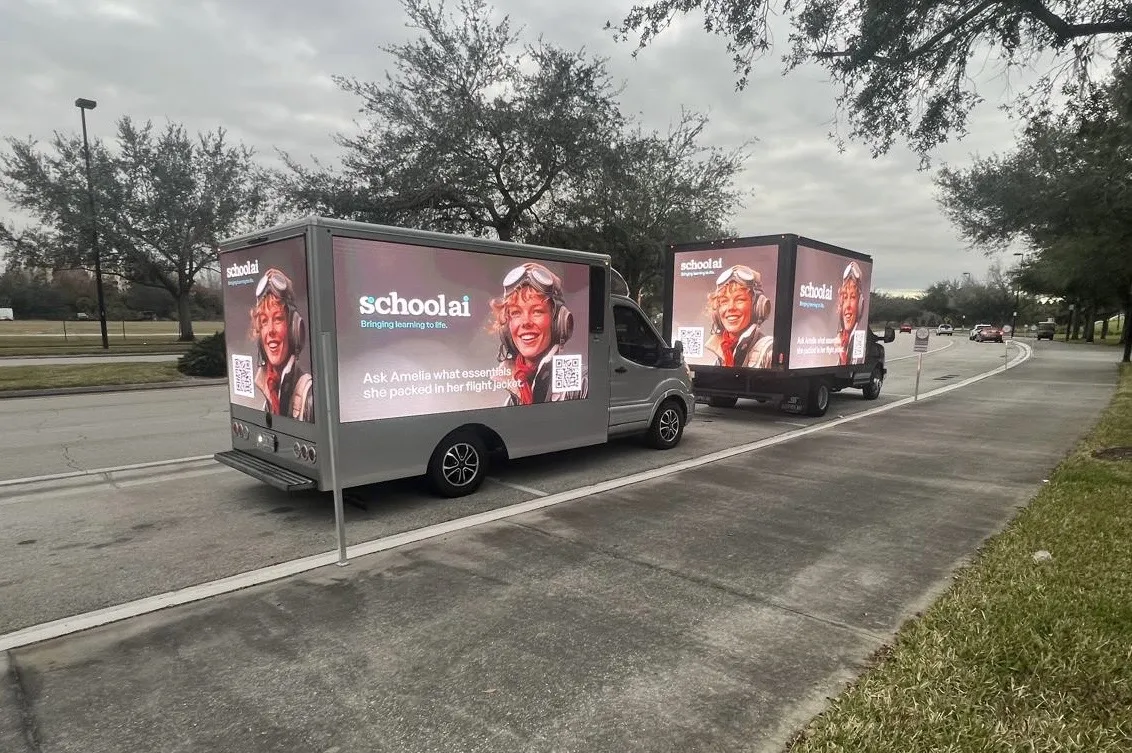
A grand opening has one problem that most advertising solves too slowly: nobody knows you exist yet. Static billboards take weeks to book and lock you into one location. Social ads reach people everywhere except the three-mile radius that actually matters on opening day. Mobile LED billboard trucks close that gap by putting your opening date, your offer, and your location directly in front of the people who live, work, and shop around your new store—in the days when it counts most.
Key Takeaways
- Concentrate truck routes on the commercial corridors your future customers already travel.
- Build a countdown: tease the opening for one to two weeks, then shift creative to opening-day urgency.
- Pair the truck with an on-site reason to visit—an offer, an event, or a limited-time promotion.
Own the Commercial Corridors Around Your Location
Most retail purchases happen within a short drive of home or work. That makes the roads around your new location the most valuable advertising real estate you can buy—and they are exactly where a mobile truck operates. Plan routes along the shopping corridors, grocery anchors, commuter arteries, and competing retail centers within a three-to-five-mile radius of your front door.
Work with the campaign team to time those routes to real traffic patterns: morning and evening commutes for awareness, lunch hours near office clusters, and weekend afternoons around shopping destinations. A truck that circles your trade area during peak hours repeatedly reaches the same local audience—the people most likely to actually walk in.
Build a Countdown, Then Convert It
The strongest grand opening campaigns run in two acts. In the one to two weeks before you open, the truck teases what is coming: the brand, the location, and the date. Curiosity does the work—people who see "Opening November 28" three times on their commute start planning the visit before you unlock the doors.
On opening day, switch the creative to urgency and direction: "Now Open," today's offer, and a clear address or intersection. Digital screens make this swap instant, with no reprinting or reinstallation. Keep the message simple enough to absorb in a passing glance.
- Teaser phase (1–2 weeks out): brand, location, opening date.
- Opening weekend: "Now Open" plus one strong offer or event hook.
- Sustaining phase (weeks 2–4): rotate promotions to keep the local audience engaged.
- Every phase: one message per screen, readable in under three seconds.
Stationary Presence vs. Mobile Coverage
A truck does not have to keep moving to work. Positioned near your storefront during the grand opening event itself, a stationary LED truck becomes a landmark—a bright, animated sign that flags the location for everyone driving past and gives your opening a sense of occasion. It can display the day's promotions, welcome messaging, or live social content while your team handles the crowd.
Mobile coverage and stationary presence solve different problems. Mobility builds awareness across the trade area in the days before you open; a stationary position converts that awareness at the door on the day itself. Many successful openings use both: circulating routes during the countdown, then a parked, high-visibility position for opening weekend. Confirm any parking or property permissions for stationary placement early in planning.
Measure What the Opening Actually Delivered
Give people a trackable reason to visit: an opening-day offer code, a QR code for a giveaway entry, or a "mention you saw the truck" promotion. None of these captures every visitor, but together they show whether the campaign moved real people through the door.
Compare opening-weekend traffic and sales against your projections, and keep the GPS route records and campaign photos as delivery evidence. For franchises and multi-location brands, this turns one opening into a repeatable playbook: the routes, timing, and creative that worked in one market become the starting template for the next.